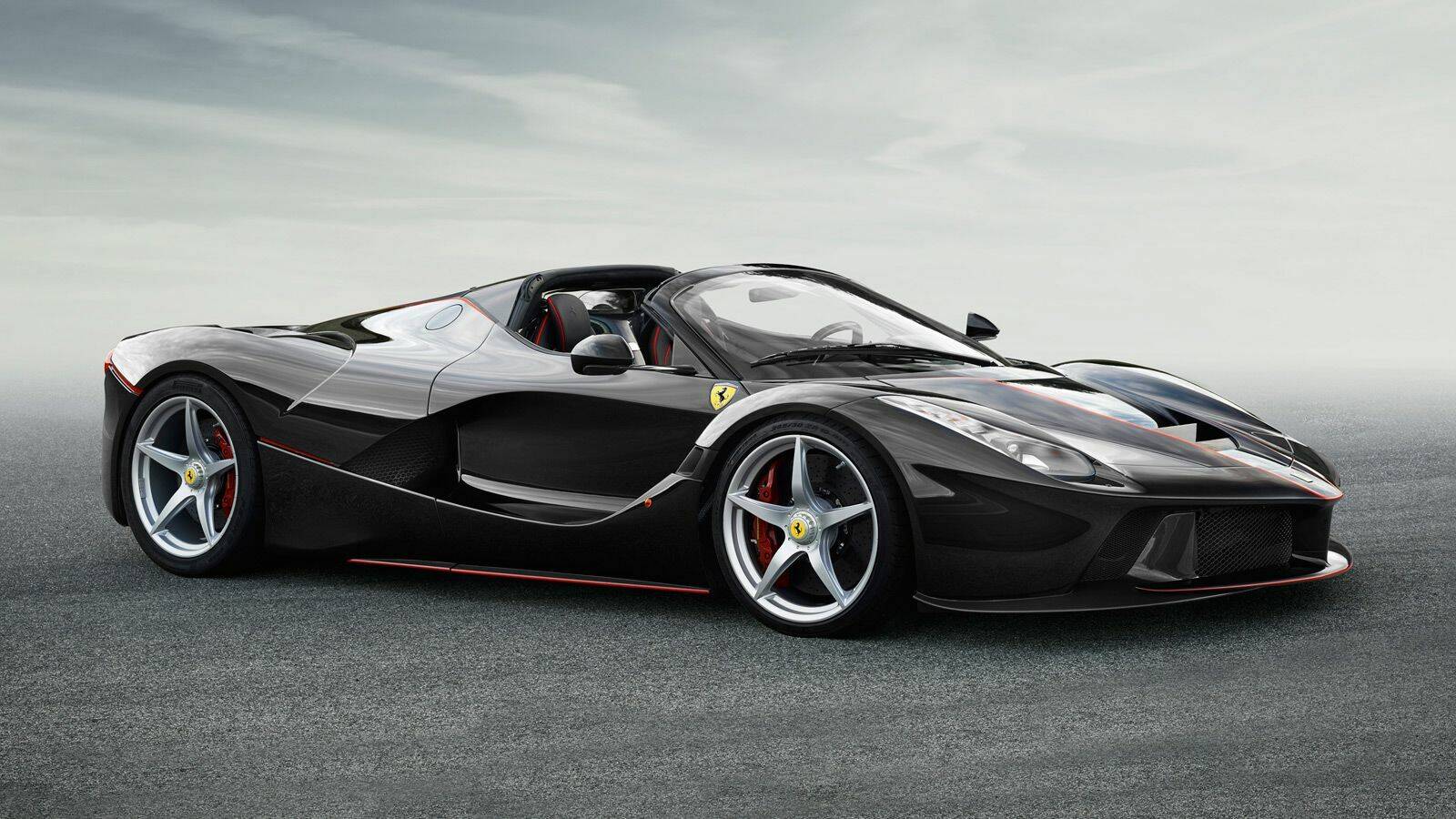
A supercar is designed twice. The first design happens in the wind tunnel and the computational fluid dynamics lab, where aerodynamic efficiency dictates form. The second happens in the studio, where a designer's pencil attempts to make that efficiency beautiful. The tension between these two imperatives has produced some of the most striking objects in the industrial world.
The history of supercar design is, in many ways, a history of constraints. Every curve, every vent, every spoiler exists because of physics. Air must flow over and under the car in specific ways to generate downforce without excessive drag. Engine cooling requires precise inlet placement. Brake cooling demands ducting that must be both functional and invisible. The designer's task is to resolve these engineering requirements into a shape that communicates speed, power, and beauty, ideally all at once.
Marcello Gandini, who penned the Lamborghini Countach and Miura, understood this intuitively. His designs were radical not because they ignored function but because they found drama within functional constraints. The Countach's sharp angles and minimal overhangs were not arbitrary stylistic choices; they emerged from a desire to create the most compact, most visually aggressive package possible around a mid-mounted V12 engine. The fact that the result looked like nothing else on the road was, in Gandini's view, a natural consequence of honest design.
The Language of Speed
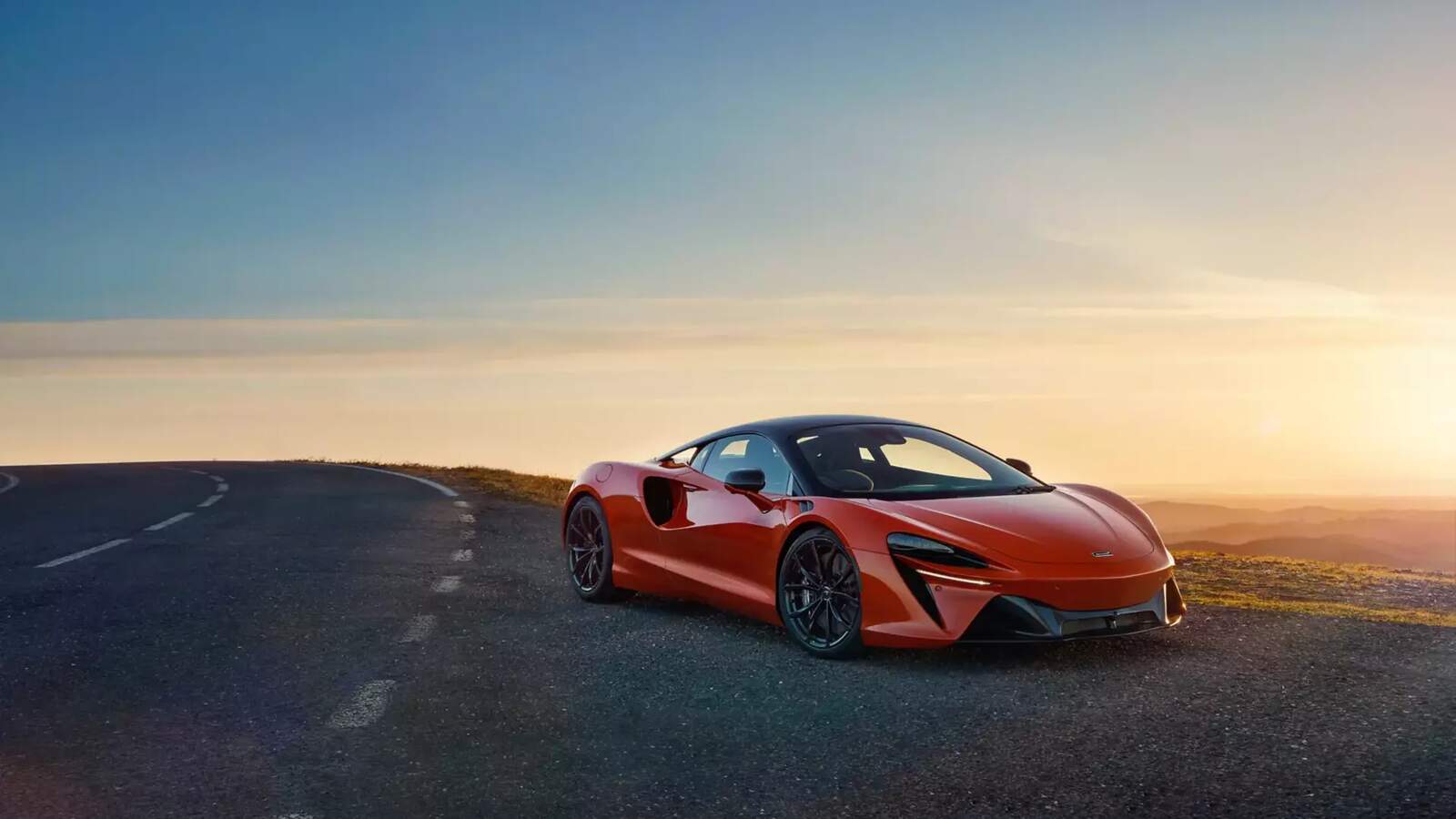
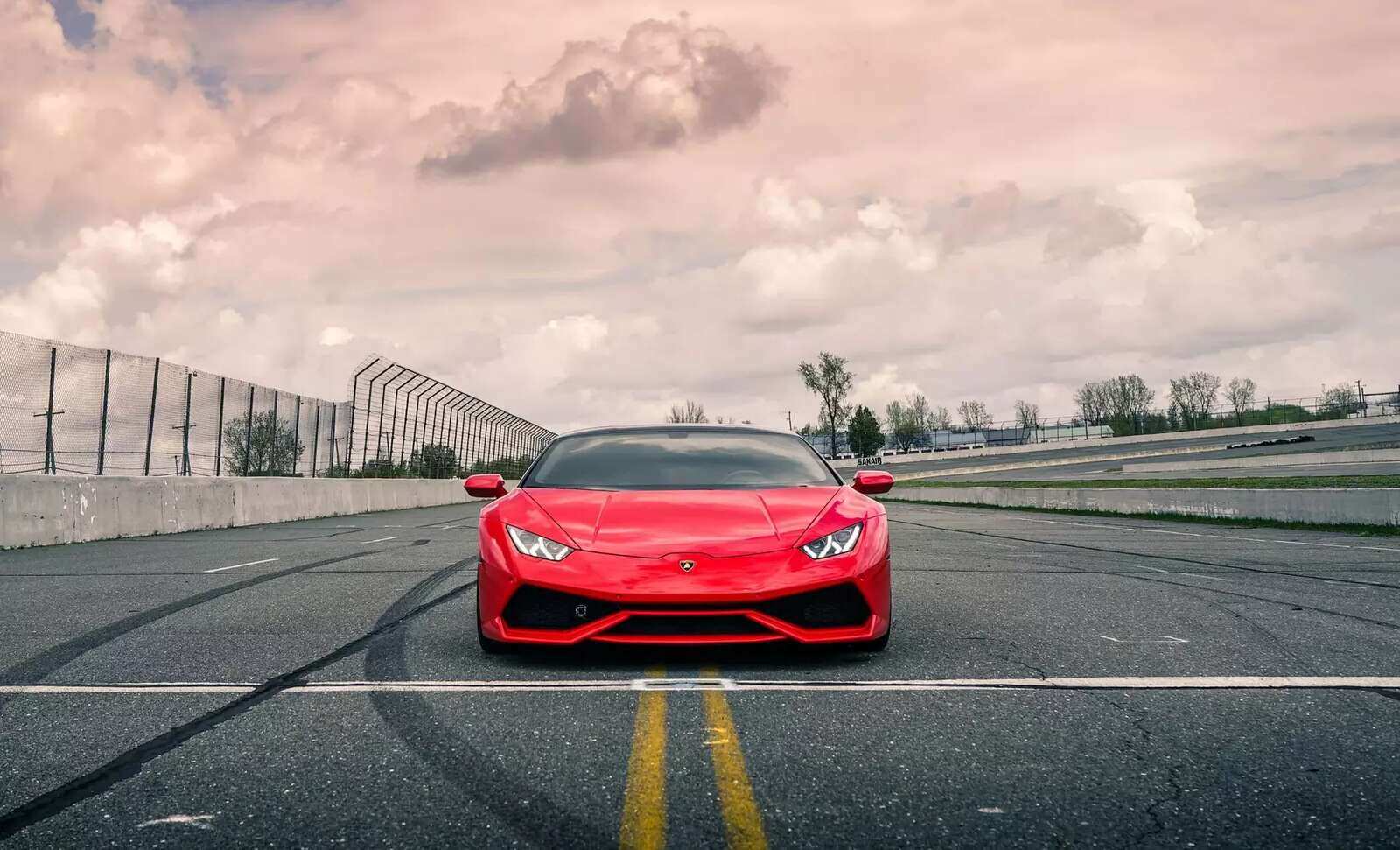
Every supercar manufacturer maintains a design language, a set of visual cues that identify the car as belonging to a particular brand. Ferrari's designs almost always feature a long hood, a compact cabin, and a sense of forward motion even at rest. Lamborghini favors sharp angles, hexagonal shapes, and a stance that suggests the car is about to leap forward. McLaren's philosophy centers on efficiency made visible, with exposed structural elements and aerodynamic surfaces that declare their function.
These visual languages are not static. They evolve with each generation, incorporating new materials, new manufacturing techniques, and new aerodynamic understanding. But they maintain continuity with the past, ensuring that each new model is recognizably part of the family. This balance between evolution and tradition is one of the most difficult challenges in automotive design, and it is one reason why the head of design at a supercar company is often as celebrated as the chief engineer.
Materials as Design Elements
The materials used in a supercar's construction have become design elements in their own right. Exposed carbon fiber, with its distinctive weave pattern, has evolved from a weight-saving engineering choice into a visual statement. Manufacturers now offer carbon fiber in different weave patterns, colors, and finishes, treating it as a decorative surface as much as a structural one. The material's visual character has become inseparable from the modern supercar's aesthetic identity.
Titanium, aluminum, and even ceramics play similar dual roles. A titanium exhaust system is lighter than steel, but it also produces a different color when heated, and designers specify it partly for this visual characteristic. Ceramic brake discs are more effective than iron ones, but they also have a distinctive golden color that signals performance to the informed observer. In the supercar world, nothing is purely functional and nothing is purely decorative.
Interior Architecture
The interior of a supercar presents its own design challenges. The cabin must accommodate drivers of varying sizes while providing the visibility, control access, and ergonomics necessary for driving at high speed. It must also communicate luxury, exclusivity, and the brand's identity. These requirements often conflict, and resolving them requires the kind of creative problem-solving that defines great design.
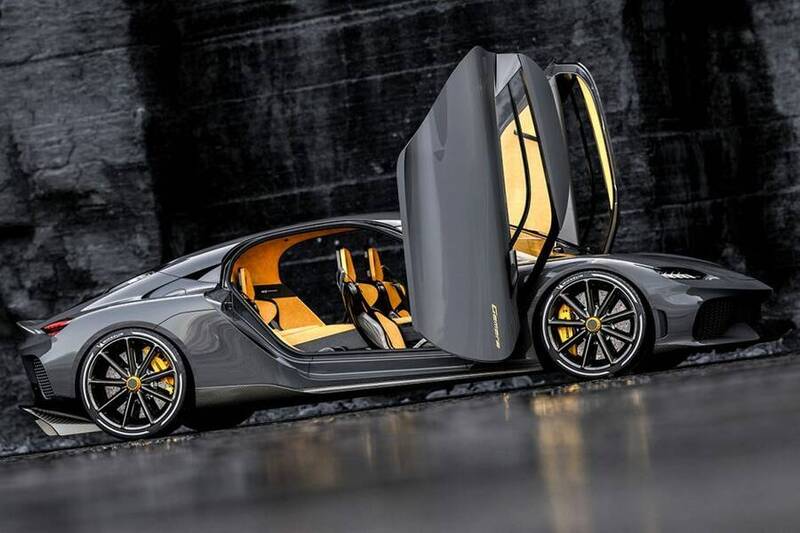
Ferrari's interiors have traditionally been driver-focused, with controls angled toward the person behind the wheel and a deliberate asymmetry that reinforces the idea that this is a car designed for one purpose. Lamborghini's approach is more theatrical, with angular shapes, dramatic lighting, and a cockpit-like atmosphere that makes the driver feel like a fighter pilot. McLaren's interiors are notably restrained, with clean surfaces and minimal decoration, reflecting the company's engineering-first philosophy.
Aerodynamic Sculpture
Modern computational tools have given designers the ability to sculpt airflow with unprecedented precision. Active aerodynamic elements, such as adjustable wings, movable flaps, and deployable diffusers, can change the car's shape in response to speed and driving conditions. This has opened new possibilities for design, allowing the car to be one thing at low speed and something quite different at high speed.
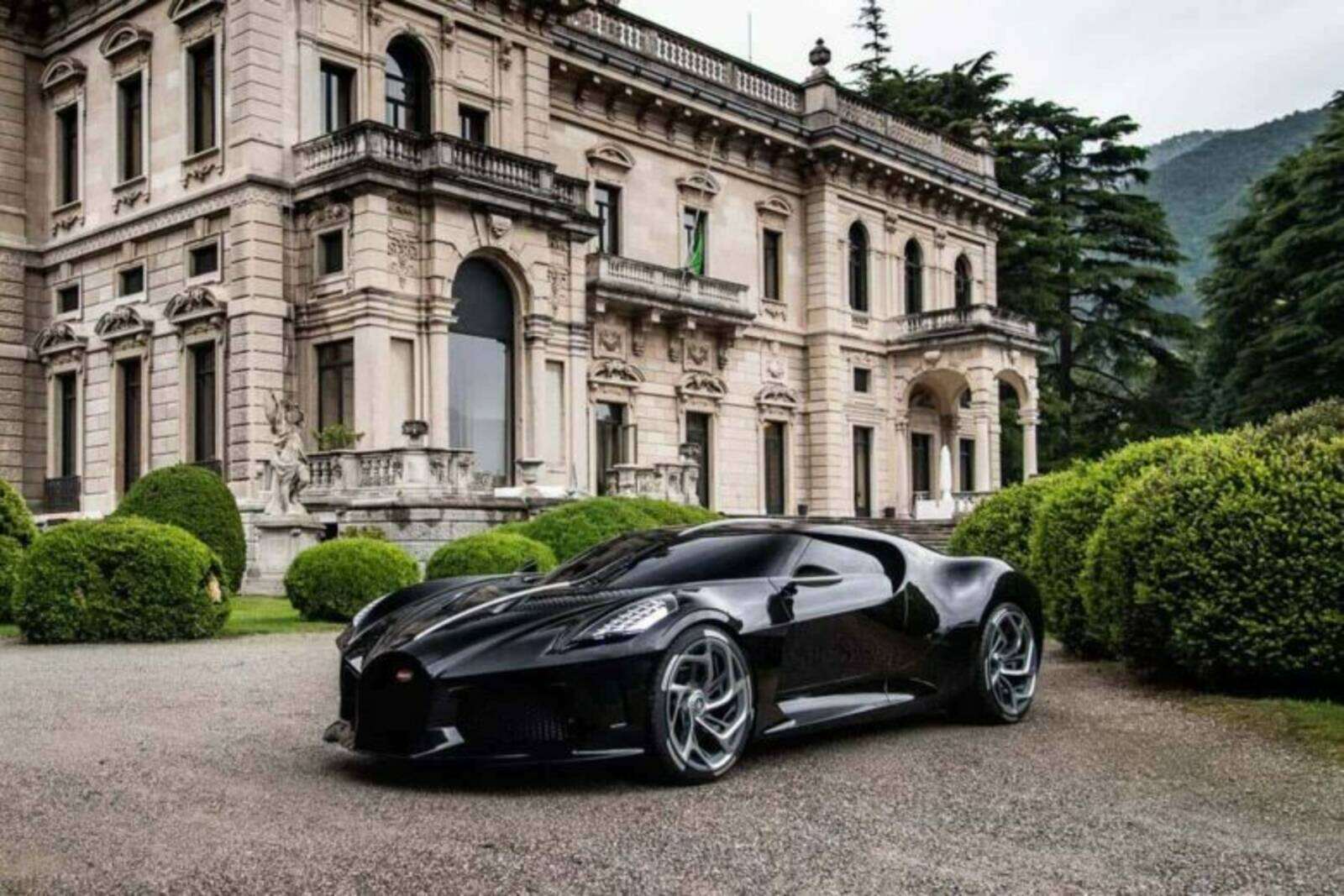
The McLaren P1, for instance, features a rear wing that extends and tilts to provide additional downforce at high speeds, then retracts to reduce drag at lower speeds. The Bugatti Chiron's rear wing performs a similar function while also acting as an air brake under hard deceleration. These active elements add a kinetic dimension to the car's design, making it not a fixed object but a shape-shifting one that adapts to its circumstances.
Color and Identity
Color plays a crucial role in supercar design, and manufacturers treat their color palettes with the same seriousness as their mechanical specifications. Ferrari's Rosso Corsa, Lamborghini's Verde Mantis, Porsche's Guards Red: these are not merely paint options but cultural artifacts, colors so strongly associated with their brands that they function as trademarks. The development of a new color for a supercar can take months, involving pigment specialists, paint chemists, and designers working together to achieve precisely the right hue, depth, and luminosity.
The trend toward personalization has expanded color options dramatically. Programs like Ferrari's Tailor Made, Lamborghini's Ad Personam, and McLaren's MSO allow buyers to specify virtually any color, finish, or material combination. This has transformed the car from a manufactured object into something closer to a commissioned artwork, with each example potentially unique.
The Future of Supercar Design
As powertrains evolve and new materials emerge, supercar design will continue to change. Electric vehicles, freed from the need for large air intakes and exhaust outlets, offer designers new freedom, but also new challenges. Without the visual cues that traditionally communicate power, an engine-less car, designers must find new ways to express performance and create emotional engagement. The designers who solve this problem most creatively will define the next chapter of supercar aesthetics.
What will remain constant is the fundamental tension that has always driven great automotive design: the negotiation between what physics demands and what the eye desires. The best supercar designs are those where these two forces align so perfectly that it becomes impossible to tell where engineering ends and art begins. That synthesis is what makes the supercar, at its best, one of the finest expressions of industrial design the world has produced.