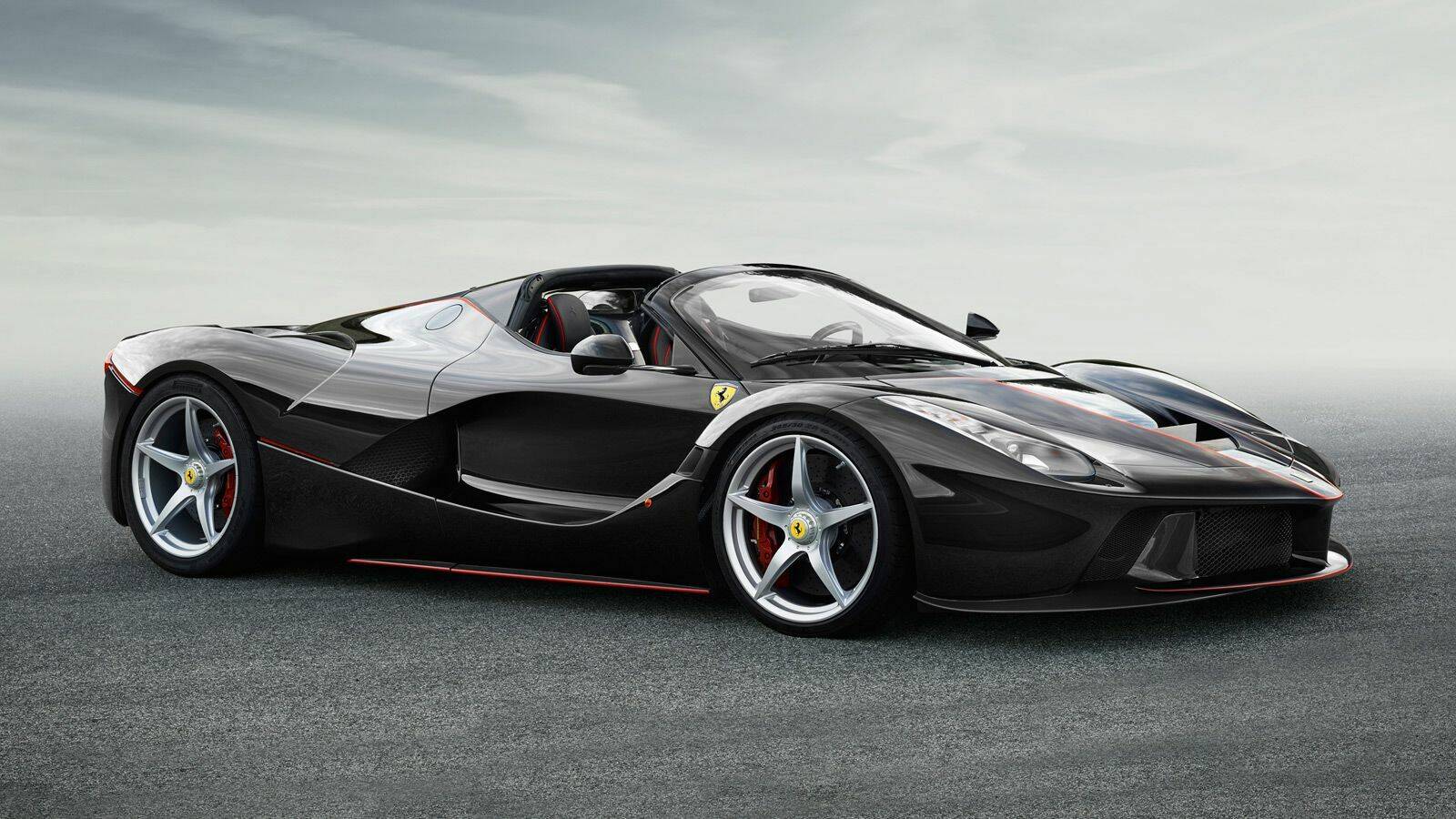
The internal combustion engine defined the supercar for more than a century. It provided the soundtrack, the drama, and the mechanical poetry that made these machines objects of desire. But the electric motor has arrived with a proposition that is difficult to argue against: more power, delivered more precisely, with fewer moving parts and zero tailpipe emissions.
The transition has not been gentle. When Tesla first demonstrated that an electric sedan could outrun established supercars in a straight line, the reaction from the traditional automotive world ranged from dismissal to outright hostility. The idea that batteries and electric motors could replace the visceral experience of a high-revving engine seemed, to many, like a category error. Performance was about more than acceleration; it was about the entire sensory experience of driving.
But the numbers have a way of settling arguments. The Rimac Nevera, with its 1,914 horsepower delivered through four independent motors, is not simply fast in a straight line. Its torque-vectoring system can send precisely calibrated amounts of power to each wheel independently, thousands of times per second, creating a level of chassis control that no mechanical differential could match. The car does not just accelerate; it thinks about how to accelerate.
The Battery Problem
The greatest challenge facing electric supercars is not power, which is abundant, but energy density. Current lithium-ion battery technology requires significant mass to store enough energy for meaningful range. The Nevera, for instance, carries a 120 kWh battery pack that weighs approximately 700 kilograms. That mass fundamentally changes the character of the car, demanding new approaches to chassis design, suspension geometry, and weight distribution.
Solid-state batteries promise to change this equation dramatically. By replacing the liquid electrolyte with a solid material, these cells can theoretically achieve energy densities two to three times higher than current technology while being lighter, safer, and faster to charge. Toyota, Samsung, and several startups are racing to commercialize solid-state technology, with production targets ranging from 2027 to 2030.
Sound and Fury
One of the most contentious aspects of the electric supercar is the absence of engine sound. For decades, the exhaust note of a high-performance engine was inseparable from the experience of driving one. Ferrari's flat-plane crank V8, Lamborghini's naturally aspirated V12, Porsche's air-cooled flat six: these were not merely sounds but signatures, as recognizable as any visual design element.
Electric motors, by contrast, produce a high-pitched whine that, while not unpleasant, lacks the emotional resonance of combustion. Some manufacturers have addressed this with synthesized sound, piping engineered audio through the cabin speakers. Porsche's Taycan offers an optional "Electric Sport Sound" that adds a futuristic hum during acceleration. Others, like Rimac, have chosen to let the silence speak for itself, arguing that the absence of noise actually heightens the sensation of speed.
The Infrastructure Question
A supercar without the ability to be used is merely a sculpture. The charging infrastructure necessary to support electric supercars on extended drives remains, in many regions, inadequate. While urban charging networks have expanded rapidly, the kind of high-speed charging that would allow a cross-country drive without significant waiting time is still developing. Companies like Ionity in Europe and Tesla's Supercharger network in North America are making progress, but the experience of refueling an electric supercar on a long journey remains fundamentally different from stopping at a gas station.
Porsche has addressed this with the Taycan's 800-volt architecture, which enables charging speeds up to 270 kW, adding roughly 100 kilometers of range in just five minutes. This engineering solution points toward a future where charging times are no longer a practical barrier, but we are not there yet for most vehicles.
Hybrid Bridges
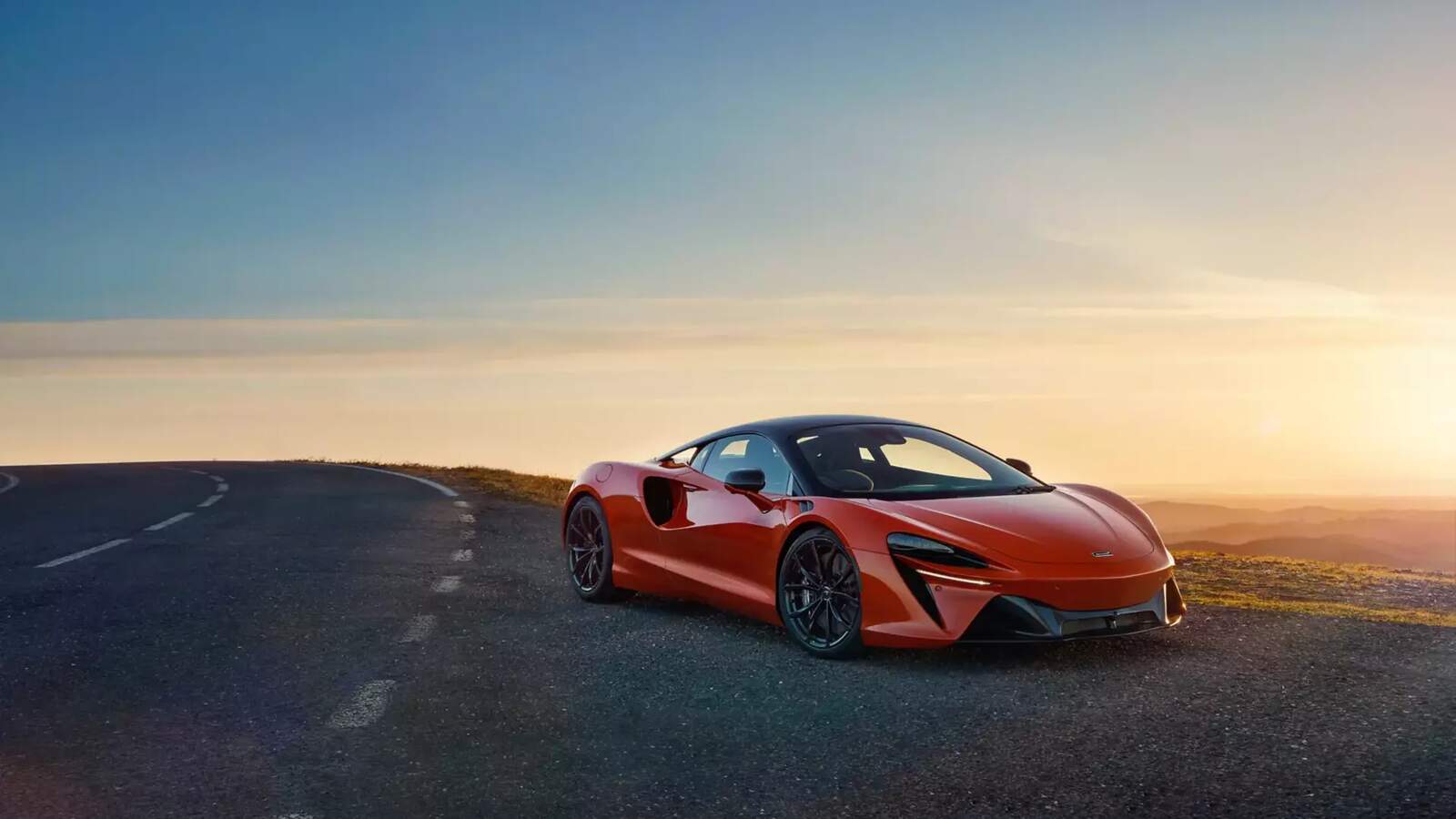
The most commercially successful approach, at least for now, has been hybridization. Ferrari's SF90 Stradale pairs a twin-turbocharged V8 with three electric motors to produce 986 horsepower. McLaren's Artura uses a lighter, more focused hybrid system to enhance a twin-turbo V6. In both cases, the electric components are not replacements for the combustion engine but amplifiers of it, filling torque gaps, enabling electric-only urban driving, and providing additional performance when demanded.
This hybrid approach represents a pragmatic middle ground. It acknowledges the emotional importance of engine sound and the practical limitations of current battery technology while still advancing the electrification of high-performance vehicles. Whether it is a permanent solution or a transitional phase remains one of the most debated questions in the automotive industry.
Manufacturing Challenges
Building electric supercars at scale presents unique manufacturing challenges. The battery packs require specialized assembly in clean-room conditions. The electric motors demand precision engineering with tolerances measured in microns. The thermal management systems, which must cool batteries, motors, and power electronics simultaneously, are among the most complex ever designed for a road car. These requirements have forced even established manufacturers to fundamentally rethink their production processes.
The supply chain for electric supercars is also more complex and more geographically dispersed than that for combustion vehicles. Battery cells are manufactured primarily in Asia, electric motors require rare-earth materials sourced from a handful of countries, and the specialized electronics come from semiconductor foundries with their own capacity constraints. Managing this supply chain while maintaining the quality standards expected of a six-figure vehicle is a challenge that the industry is still learning to navigate.
What Comes Next
The electric supercar is not the future of performance driving. It is the present. Every major manufacturer has either launched an electric performance vehicle or has one in advanced development. The question is no longer whether electric supercars will exist but what form they will take, how they will differentiate themselves from one another, and whether they can preserve the emotional connection that has always been the true product these companies sell.
The answer, most likely, is that they will create a new kind of emotional connection. The silence of an electric motor at full power, the instantaneous response, the surgical precision of torque vectoring: these are not lesser experiences than the roar of a V12. They are different experiences, and they have their own poetry. The generation of enthusiasts growing up with electric performance will not miss what they never had. They will simply love what they know.