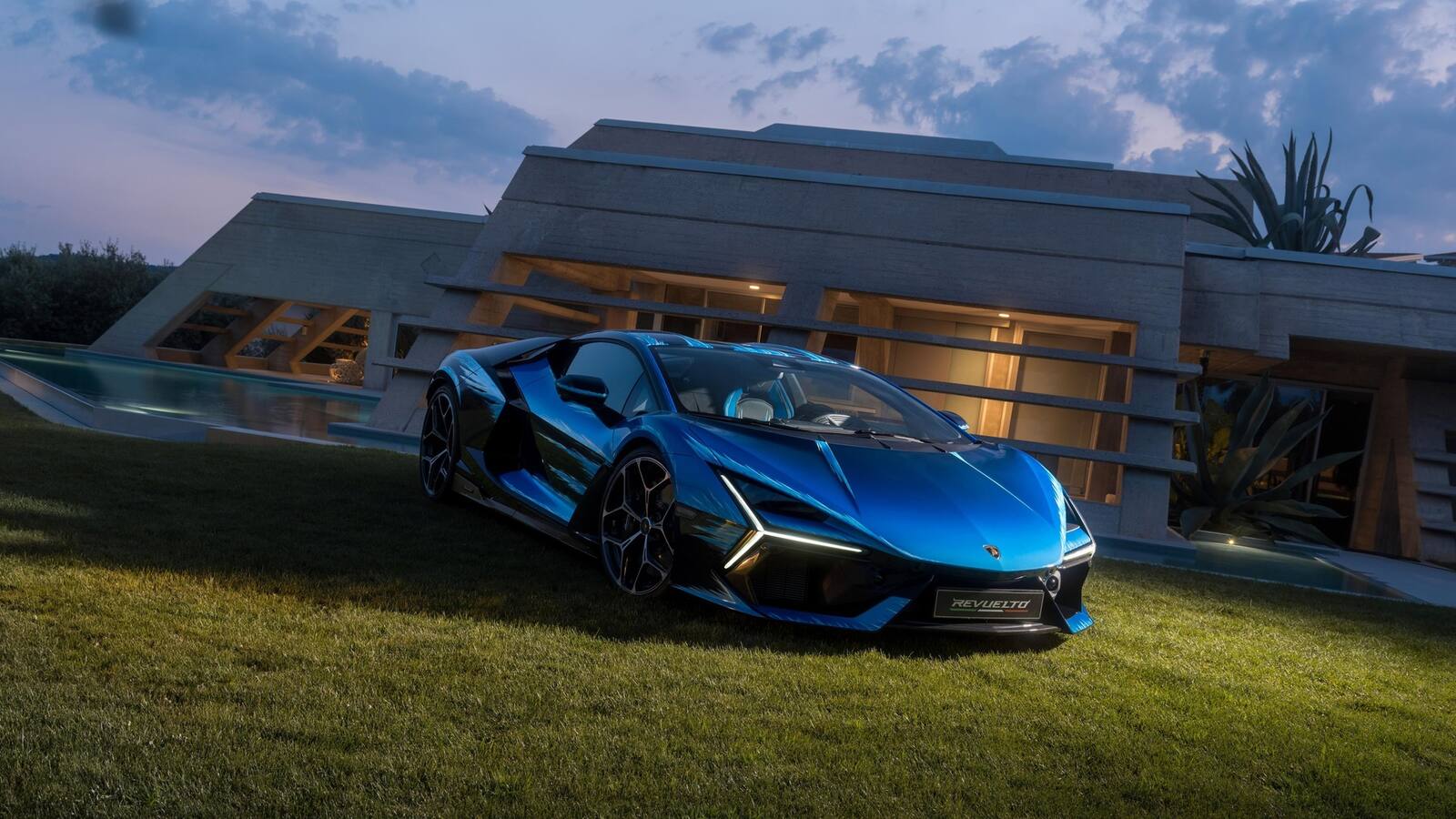
Every supercar is, in some sense, a racing car that has been domesticated. The technologies that define modern high-performance vehicles, carbon fiber monocoques, paddle-shift transmissions, active aerodynamics, ceramic brakes, were all developed first in the unforgiving environment of competitive motorsport. The journey from racetrack to showroom is the story of the supercar itself.
The relationship between racing and road cars has existed since the earliest days of the automobile. Enzo Ferrari famously said he sold road cars only to finance his racing operation. For Ferrari, the road car was a commercial necessity; the racing car was the purpose. This philosophy shaped the company's products for decades, producing road cars that were, in essence, slightly softened versions of the machines that competed at Le Mans and in Formula One.
Other manufacturers followed different paths to the same destination. Porsche's 911, conceived as a road car, became one of the most successful racing platforms in history, and the lessons learned on track fed directly back into the road car's development. McLaren's road car division was born from a Formula One team, and every McLaren road car carries technology that originated in the pinnacle of single-seater racing. The transfer of knowledge is continuous and bidirectional.
Aerodynamics: Lessons from the Track
Perhaps the most visible transfer of racing technology to road cars is in aerodynamics. The concept of using a car's body shape to generate downforce, pushing the car harder onto the road for greater grip, was first exploited systematically in racing during the 1960s and 1970s. Jim Hall's Chaparral race cars pioneered the use of wings and ground-effect tunnels, technologies that eventually found their way into every serious performance car.
Today's road-going supercars use aerodynamic devices that would have been considered extreme racing equipment just two decades ago. The Aston Martin Valkyrie's underbody is essentially a full-length ground-effect tunnel, generating more downforce than the car weighs. The Gordon Murray T.50's rear fan, which actively manages airflow beneath the car, is a direct descendant of the controversial fan car Murray designed for Brabham in Formula One in 1978.
Carbon Fiber: Born in Competition
Carbon fiber reinforced polymer was introduced to motorsport by McLaren in 1981, when John Barnard designed the first Formula One car with a carbon fiber monocoque. The material was lighter and stronger than the aluminum structures it replaced, and its introduction was one of the most significant safety and performance advances in the sport's history. Within a decade, every competitive Formula One car was built around a carbon fiber structure.
The transfer to road cars took longer, primarily due to cost. McLaren's F1, launched in 1992, was the first road car to use a carbon fiber monocoque, and its price reflected the expense of the material and the manufacturing process. As production techniques have improved and volumes have increased, carbon fiber has become more accessible, though it remains significantly more expensive than aluminum or steel. Today, it is used extensively in cars from Ferrari, Lamborghini, McLaren, and Porsche, as well as in more affordable performance cars from BMW and Alfa Romeo.
Transmission Technology
The paddle-shift transmission, now standard in virtually every supercar, originated in Formula One. Ferrari introduced the first semi-automatic gearbox in F1 in 1989, using hydraulic actuators to shift gears without a traditional clutch pedal. The technology was initially slow and unreliable, but development was relentless, and by the mid-1990s, paddle-shift systems were faster and more consistent than any human driver operating a manual gearbox.
Ferrari brought this technology to its road cars with the F355 F1 in 1997, offering a paddle-shift option that replicated the racing experience. The response was overwhelming; within a few years, the majority of Ferrari buyers chose the automated transmission. Today, the dual-clutch transmission, which pre-selects the next gear for near-instantaneous shifts, is the default in high-performance vehicles. The manual gearbox, once the only option, has become a rare and nostalgic choice.
Braking Systems
The development of carbon-ceramic brake discs follows a similar trajectory. Developed initially for Formula One and endurance racing, where extreme heat generation made traditional iron discs inadequate, carbon-ceramic brakes offer superior fade resistance, lighter weight, and longer life than their iron counterparts. Their introduction to road cars, first as an option and now increasingly as standard equipment on high-end models, represents another successful transfer of racing technology.
The braking systems on modern supercars are marvels of engineering. The Ferrari SF90 Stradale's brakes can decelerate the car from 200 km/h to a standstill in approximately 100 meters, generating forces that would be physically dangerous to an unprepared occupant. The brake-by-wire systems used in hybrid supercars, which blend regenerative braking with mechanical braking, are directly derived from similar systems developed for Le Mans Prototype race cars.
Data and Telemetry
Modern supercars are equipped with telemetry systems that would have been the envy of a Formula One team just fifteen years ago. Sensors throughout the car monitor everything from tire temperature and suspension movement to brake pad wear and engine oil condition. This data can be recorded and analyzed, allowing owners and their instructors to study driving technique with the same rigor that professional racing teams apply.
Ferrari's Telemetry System, available on the 296 GTB and other models, provides real-time data display and post-session analysis through a dedicated app. McLaren's Track Telemetry system offers similar capabilities. These tools transform the supercar from a simple driving instrument into a platform for continuous improvement, bringing the analytical approach of professional motorsport to the enthusiast driver.
The Continuing Transfer
The flow of technology from racing to road cars has not slowed. Formula E, the all-electric racing series, is providing a testbed for electric powertrain technology that will influence the next generation of electric supercars. The World Endurance Championship's Hypercar class is producing racing machines that share significant technology with their road-going counterparts. And sim racing, once dismissed as a novelty, is providing manufacturers with valuable data about driver behavior and preferences that influences both competition and production car development.
The supercar will always be, at its core, a racing car that has learned manners. The technologies that define it were forged in competition, refined through thousands of hours of testing, and then adapted for use on public roads. This heritage is not merely historical; it is ongoing. Every race weekend, somewhere in the world, the next generation of supercar technology is being developed, one lap at a time.