Behind every great supercar is a story that extends far beyond engineering specifications. The marques that produce the world's most extraordinary automobiles are not merely manufacturers; they are cultural institutions, each with a distinct philosophy, a unique heritage, and a vision of what the ultimate driving machine should be. Understanding these brands is essential to understanding the cars they create.
Ferrari, founded in 1939 by Enzo Ferrari, remains the most iconic name in the supercar world. The company's origins in motorsport have shaped every aspect of its identity, from the prancing horse logo, borrowed from World War One flying ace Francesco Baracca, to the high-revving engines that have become the brand's sonic signature. Ferrari's philosophy has always been that a road car should be, above all, a driving experience: visceral, demanding, and utterly absorbing.
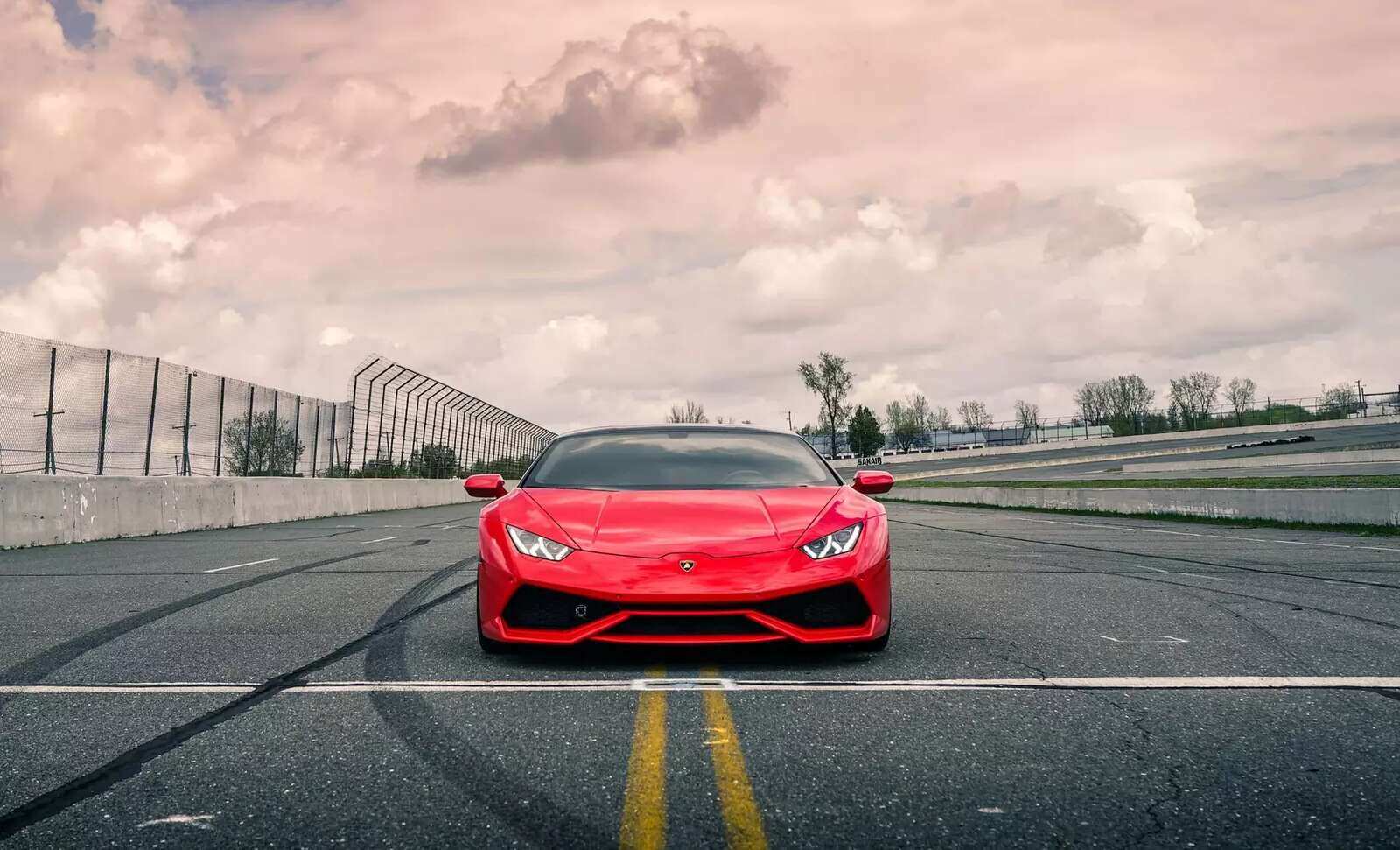
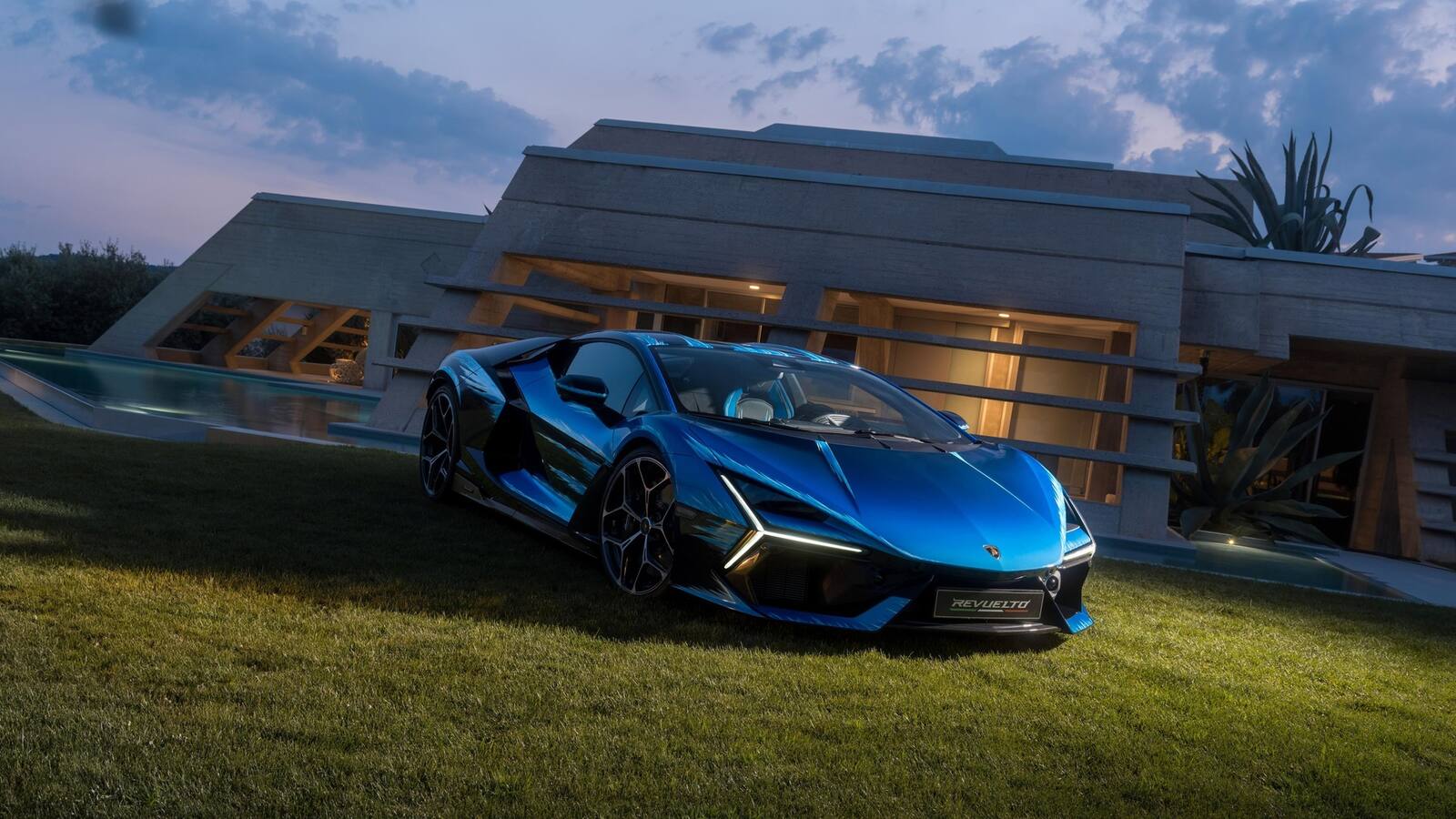
Lamborghini's origin story is the stuff of automotive legend. Ferruccio Lamborghini, a successful tractor manufacturer, was dissatisfied with his Ferrari and allegedly told Enzo Ferrari so, only to be dismissed. He responded by founding his own car company in 1963, with the explicit goal of building a grand touring car superior to Ferrari's offerings. The rivalry that this personal slight created has driven both companies to ever greater achievements, producing an ongoing competition that has benefited every enthusiast on the planet.
The British Approach
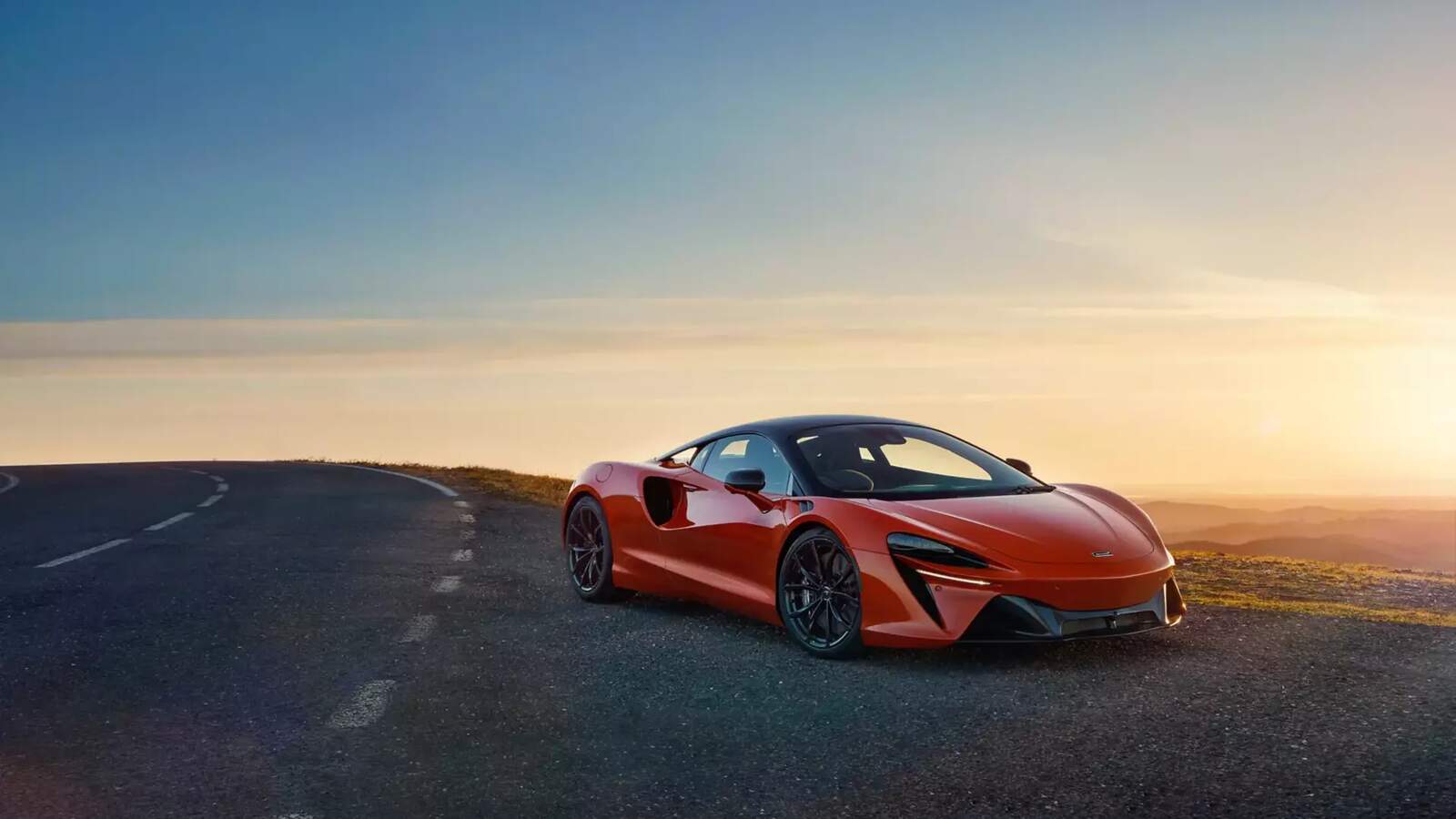
McLaren's approach to supercar manufacturing is distinctly different from its Italian competitors. Founded by Bruce McLaren as a racing team in 1963, the company did not produce a road car until the legendary F1 in 1992. That car, designed by Gordon Murray with an obsessive attention to engineering purity, established McLaren's philosophy: every design decision must be justified by performance data. There is no tradition for tradition's sake, no styling flourish without aerodynamic purpose, no excess without function.
Aston Martin represents another British philosophy entirely. Where McLaren is clinical and data-driven, Aston Martin is romantic and emotionally led. The company's cars are designed to be beautiful first and fast second, though they are invariably both. The DB series, from the DB4 through the current DB12, represents a continuous evolution of the idea that a grand touring car should be elegant, powerful, and supremely civilized, a car in which one might drive from London to the Riviera without fatigue and arrive looking as good as the car.
German Precision
Porsche occupies a unique position in the supercar landscape. The company's engineering-first philosophy, inherited from founder Ferdinand Porsche, has produced cars that are arguably the most refined and most versatile high-performance machines in the world. The 911, in continuous production since 1963, has been developed through incremental improvement rather than revolutionary change, and its current form represents sixty years of accumulated engineering knowledge.
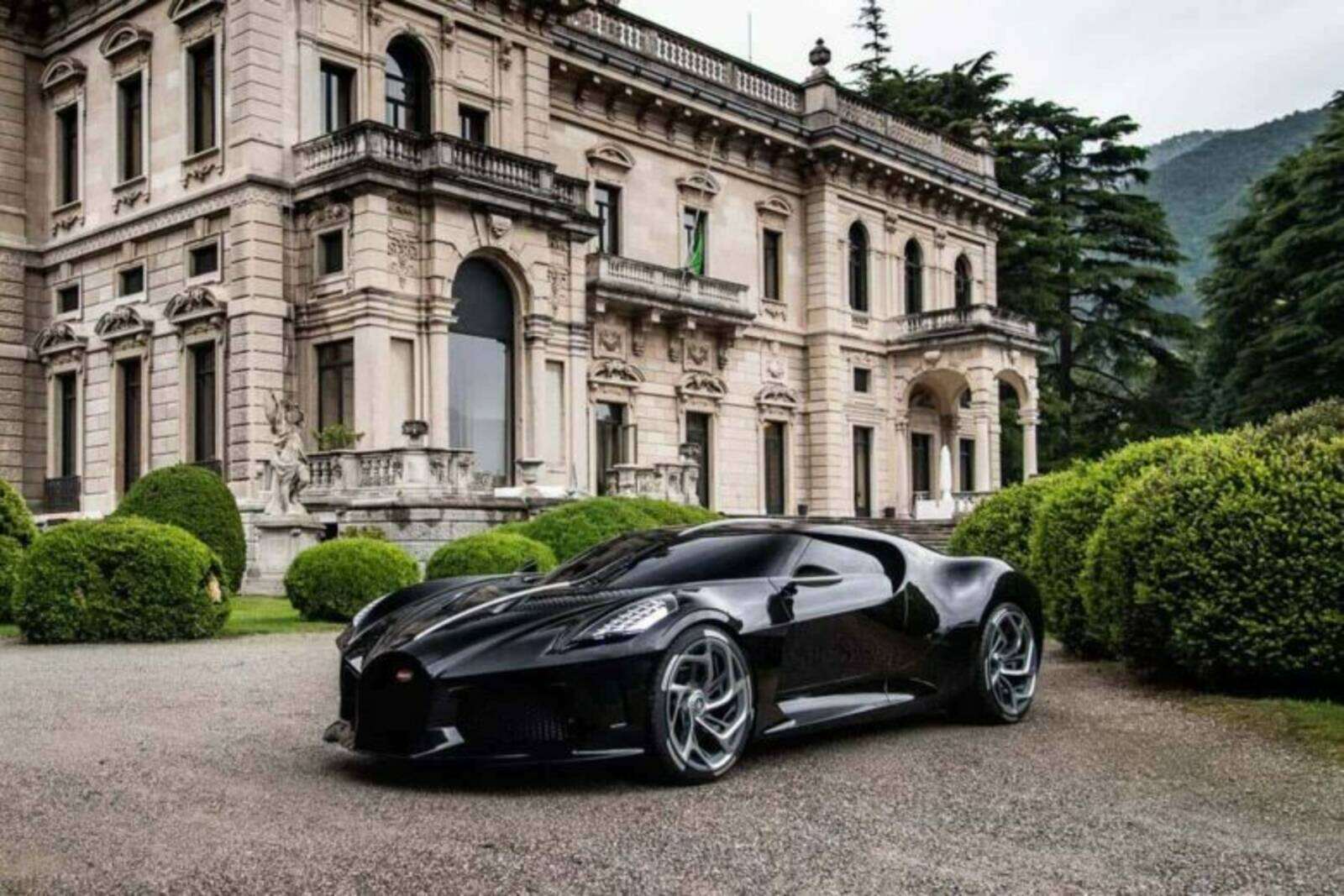
Bugatti, now under the Rimac umbrella, has always represented the absolute extreme of automotive engineering. The Veyron and Chiron were conceived as engineering exercises first and cars second: the goal was to build the fastest, most powerful, most technologically advanced automobile possible, regardless of cost or practicality. The result was a series of machines that rewrote the record books and demonstrated what is possible when engineering talent is given essentially unlimited resources.
The Boutique Makers
Beyond the established marques, a new generation of boutique manufacturers has emerged, each bringing a distinctive vision to the supercar world. Pagani, founded by Horacio Pagani, builds cars that are equal parts engineering and art, with interiors that feature exposed carbon fiber, machined aluminum, and leather stitching of extraordinary quality. Each Pagani is essentially handmade, with annual production measured in dozens rather than hundreds.
Koenigsegg, founded by Christian von Koenigsegg in Sweden, is driven by a relentless pursuit of innovation. The company has developed its own engine, its own transmission (the revolutionary Light Speed Transmission), and its own chassis technology, often finding solutions that the larger manufacturers had considered impossible. Koenigsegg's approach is a reminder that in the supercar world, size and resources are not prerequisites for breakthrough engineering.
Brand as Experience
Modern supercar brands understand that they are selling not just a car but an experience. The purchase process itself is carefully orchestrated, from the initial consultation through specification, production, and delivery. Ferrari's Atelier program allows buyers to configure their car in a purpose-built studio, choosing from thousands of color, material, and finish combinations. Lamborghini's Ad Personam program offers similar bespoke services, including the ability to commission entirely unique specifications.
After purchase, the brand experience continues through owner events, track days, factory tours, and exclusive access to new model previews. These programs build communities of owners who share not just a car but a lifestyle and an identity. The car becomes a membership card to a global club, and the brand becomes a part of the owner's personal narrative.
Rivalry and Respect
The rivalries between supercar brands are genuine, often intense, and always productive. Ferrari and Lamborghini compete not just for sales but for the title of Italy's finest automotive achievement. McLaren and Ferrari vie for both road car supremacy and Formula One championships. Porsche and everyone else engage in the ongoing debate about whether the rear-engined 911 layout is genius or stubbornness. These rivalries push each company to do better work than it would in isolation.
But beneath the competition, there is a shared understanding. All of these companies are pursuing the same fundamental goal: to build the finest possible automobile, one that combines engineering excellence with emotional resonance. They disagree about how to achieve this goal, and those disagreements produce the wonderful diversity that characterizes the supercar world. But they agree on the goal itself, and that shared commitment is what elevates the entire category above ordinary transportation.